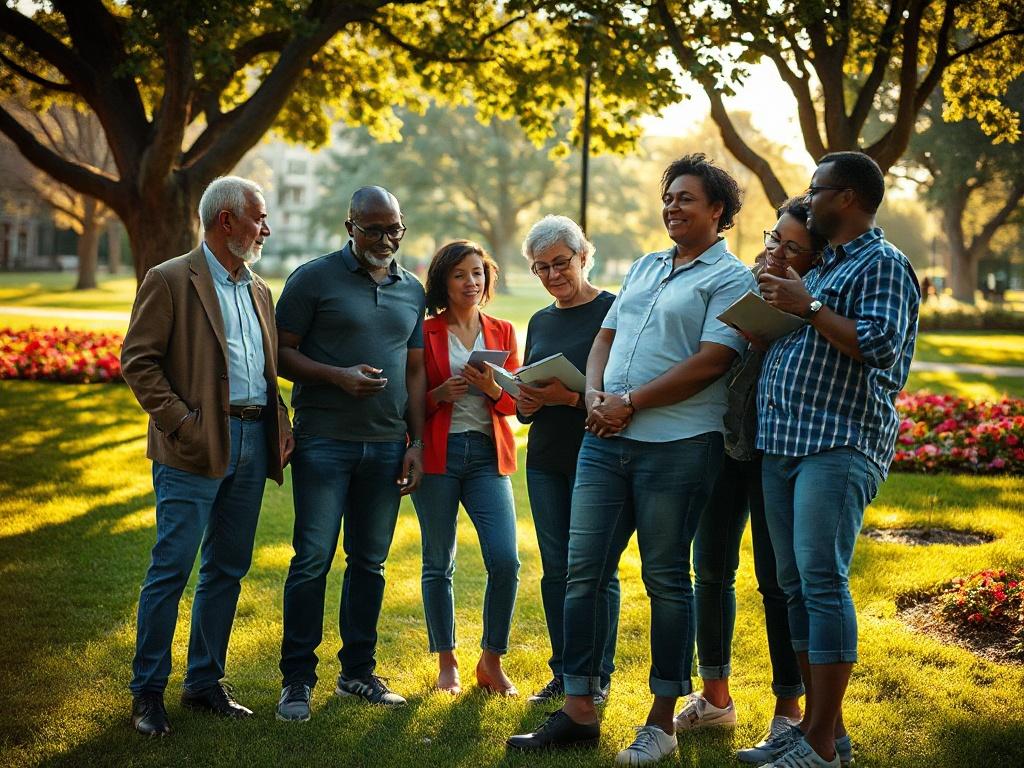
In an era where communities face unprecedented challenges, from natural disasters to social unrest, the need for resilience has never been more critical. This blog post invites you to explore essential strategies to build community resilience against future challenges. By focusing on strengthening community bonds, we can create a network of support that empowers individuals and collective action. Together, we can nurture relationships that not only endure tough times but also thrive in the face of adversity.
As we delve into innovative approaches to prepare for future obstacles, we will highlight tactics that enhance adaptability and empower communities to respond effectively. Building a collaborative framework involves engaging diverse voices and fostering a sense of belonging, which is key to sustainable resilience. Join us in discovering actionable strategies that can transform your community into a robust, interconnected force capable of overcoming challenges and emerging stronger than ever.
Explore essential strategies to strengthen community bonds for resilience
Strengthening community bonds is crucial for fostering resilience against future challenges. Communities can begin by organizing regular gatherings, such as town hall meetings or local festivals, to bring residents together. These events create opportunities for individuals to connect, share experiences, and cultivate a sense of belonging. Building trust among community members lays the foundation for collaborative problem-solving when crises arise. Engaging diverse groups in meaningful conversations ensures that various perspectives and needs are recognized, promoting inclusivity and support networks.
Additionally, communities can implement mentorship programs that pair experienced individuals with younger members, facilitating knowledge transfer and skill development. This approach not only strengthens relationships but also empowers the next generation to actively participate in community resilience efforts. Establishing communication channels, like community newsletters and social media groups, further enhances connectivity and encourages the sharing of resources and information. By prioritizing relationship-building and inclusivity, communities can create a strong network that remains adaptable and united in the face of future challenges.
Innovative approaches to prepare for future challenges and enhance adaptability
Communities face a myriad of challenges, from natural disasters to economic downturns. To successfully navigate these uncertainties, innovative approaches become essential. Utilizing technology is a powerful strategy; by leveraging social media and community apps, neighborhoods can establish real-time communication channels to share vital information and resources during crises. Organizing training sessions on disaster preparedness equips residents with the necessary skills and knowledge, turning them into proactive participants rather than passive recipients of aid. Additionally, fostering a culture of local entrepreneurship encourages economic resilience, as it empowers community members to create their own solutions, thus reducing reliance on external support.
Participatory decision-making is another innovative approach that enhances adaptability within communities. Engaging diverse voices ensures that various perspectives are considered, leading to more robust and inclusive solutions. Hosting community forums or workshops allows residents to collaboratively identify challenges and propose creative solutions tailored to their unique circumstances. Moreover, adapting urban planning practices to incorporate green spaces and sustainable infrastructure promotes environmental resilience and improves overall quality of life. By focusing on these innovative methods, communities can not only prepare for future challenges but also build an agile mindset that thrives on collaboration and adaptability.
Building a collaborative framework: Key tactics for sustainable community resilience
Creating a collaborative framework is crucial for fostering sustainable community resilience. Start by establishing strong partnerships among local organizations, government agencies, and community members. Encourage open communication and regular meetings, where stakeholders can share insights and identify common goals. This collaborative environment not only enhances resource sharing but also strengthens trust among community members. By engaging in joint initiatives—such as local disaster preparedness drills or community gardens—residents deepen their connections and lay the groundwork for a united front when facing future challenges.
To further promote resilience, employ technology and social media as tools for collaboration. Develop online platforms where community members can exchange ideas, share resources, and mobilize support for various initiatives. Utilize these platforms to disseminate information quickly during emergencies, ensuring everyone stays informed and ready to act. Additionally, invest in training programs that equip residents with the skills needed to tackle specific challenges, such as emergency first aid or sustainable farming practices. By fostering collaboration, communities can cultivate a proactive mindset, ensuring they are well-prepared to adapt and thrive in the face of adversity.

