Community Response to Spokane Complex Fires
Utilizing the mission focus and leadership of veterans to mobilize the community toward a localized crisis response plan. Together, our community unites around ONE MISSION to bring every victim of fire HOME. Home is more than a building, it is a community who helps in the hardest of times.
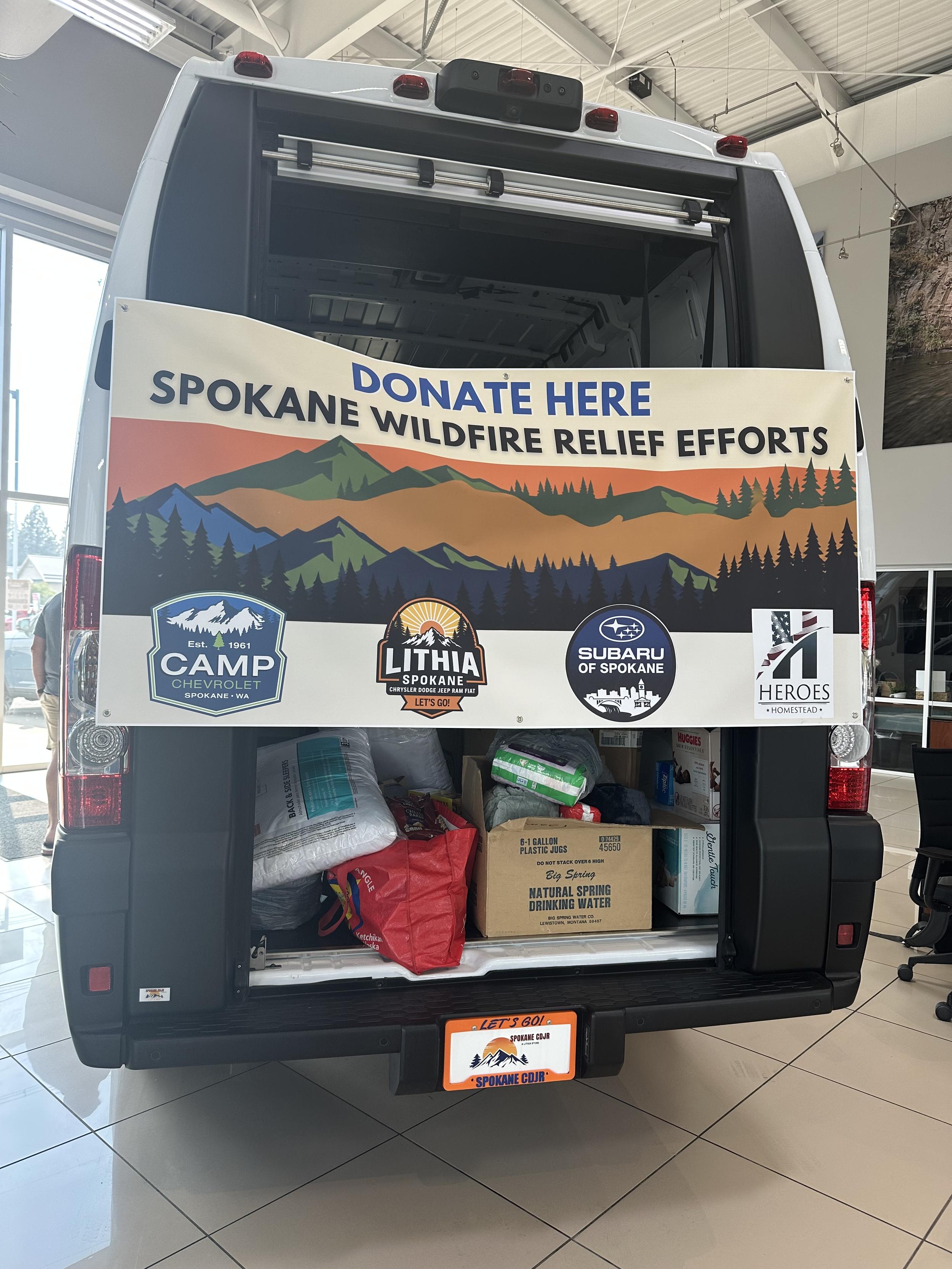
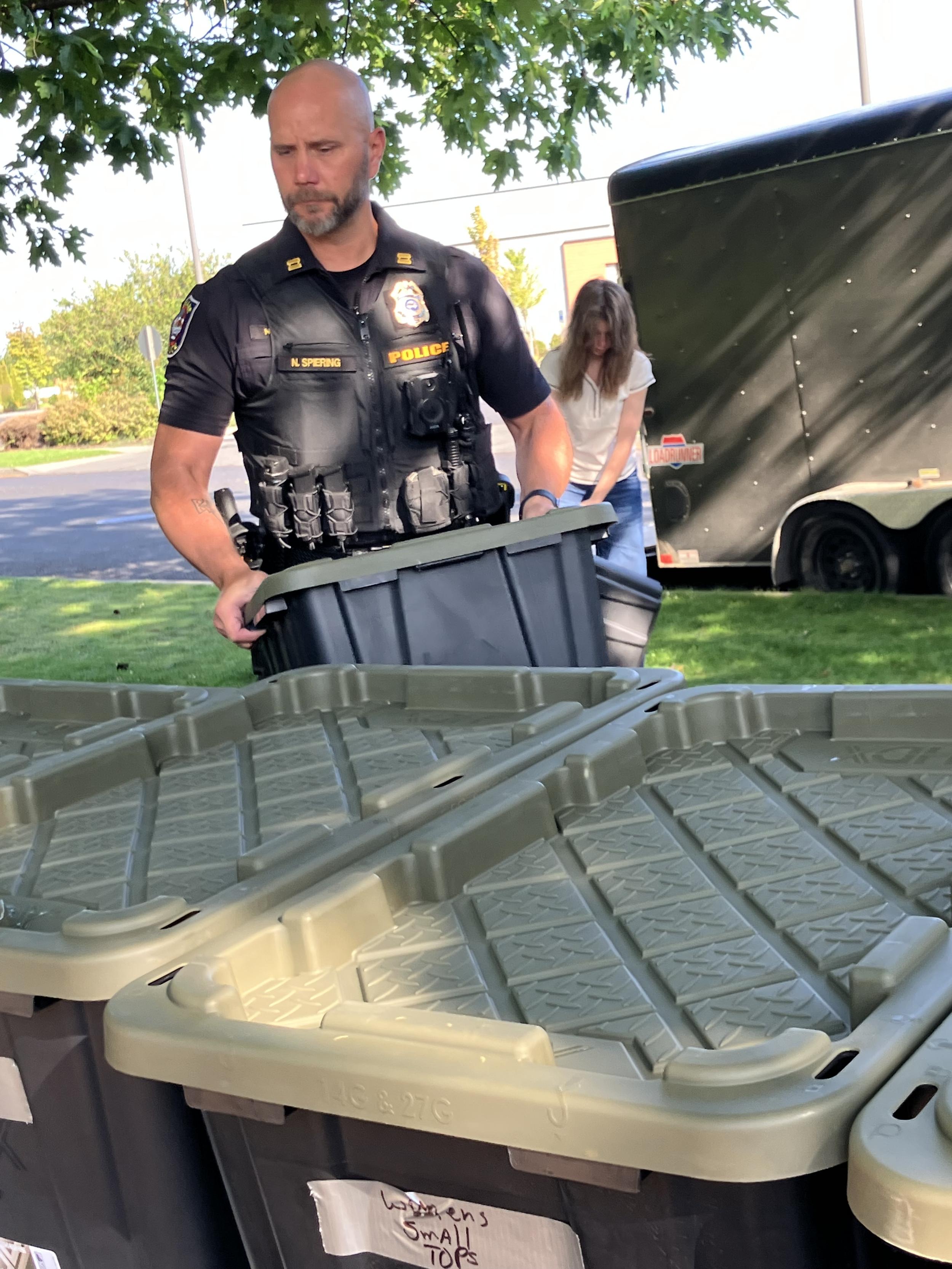
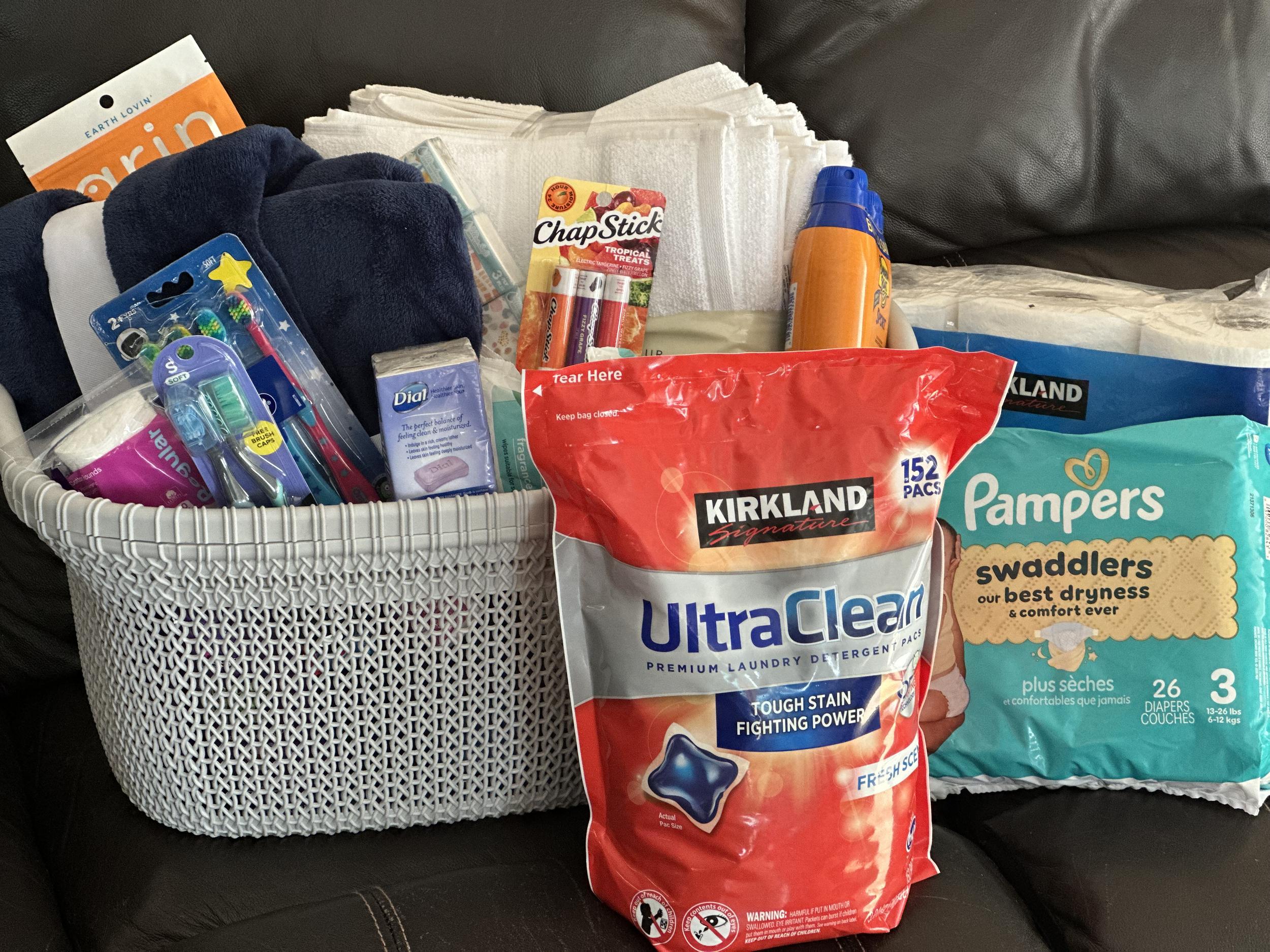
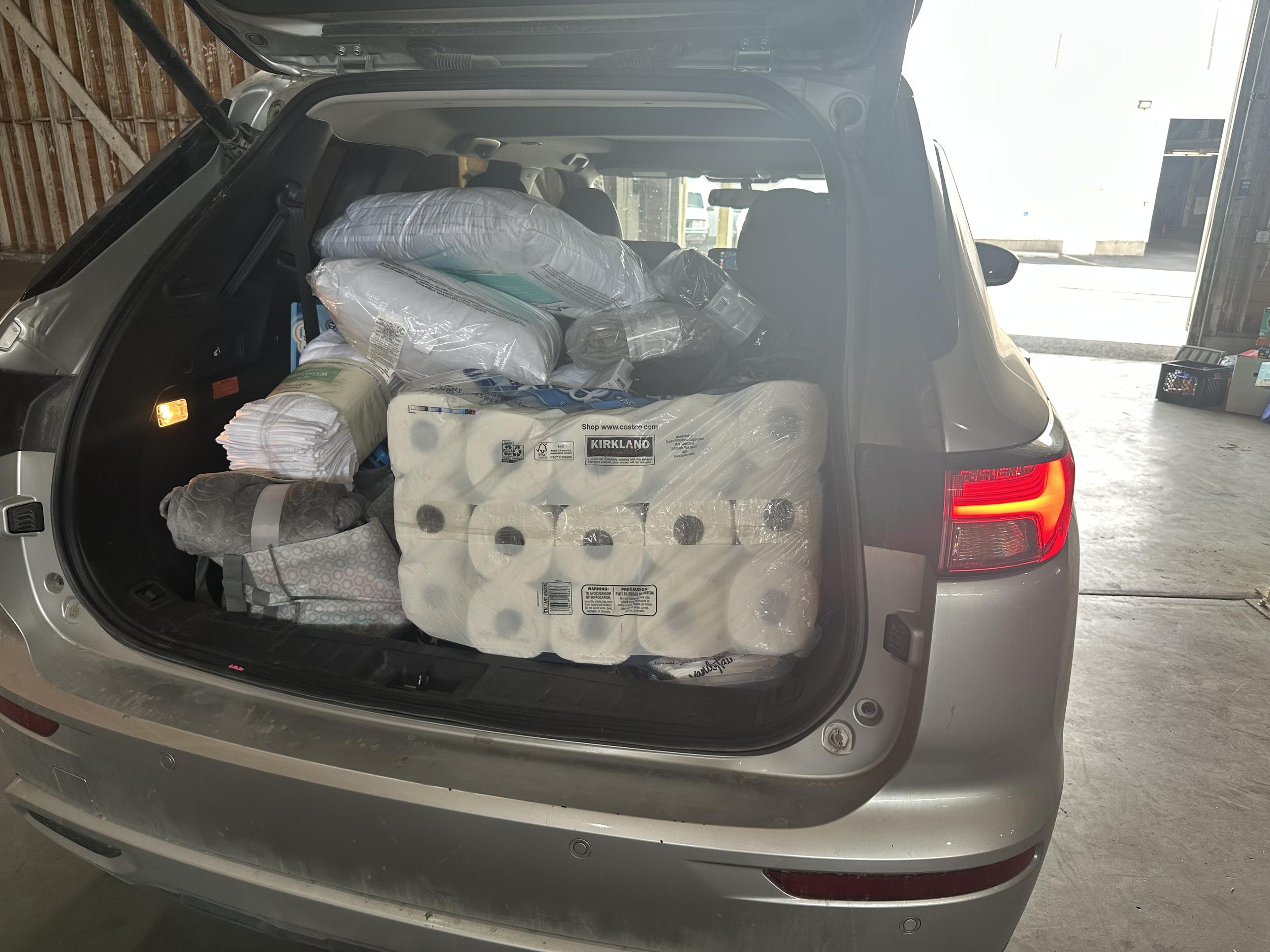
Donations can be arranged by calling 509-651-5565. Organizations can drop their items from drives and community give events at the Distribution Warehouse Monday-Friday 1 PM- 3 PM. Donations at the Community Center are only accepted on Fridays and MUST fit in one of the current categories.
September Focus:
PPE (Masks, Suits, Gloves)
Cleaning Supplies
Winter Coats
Boots
Gloves
Hats
New Bath Towels
New Kitchen Towels
New Pillows
New Beddding
Diapers and Wipes
Full Sized Toiletries
New Socks
New Shoes
New Suitcases/Duffle Bags
*Include an encouraging note
Many families are still living in hotels while we work to find them homes in the region. New and very good conditioned suitcases will also be helpful.
One Mission: BE HOME Community Center
OPENING SOON
3904 N Division Street
Spokane, WA 99206
Community Welcome to Volunteer
One Mission: BE HOME Community Center
OPENING SOON
3904 N Division Street
Spokane, WA 99206
Distribution Warehouse
Cincinnati Street
Spokane, WA 99206
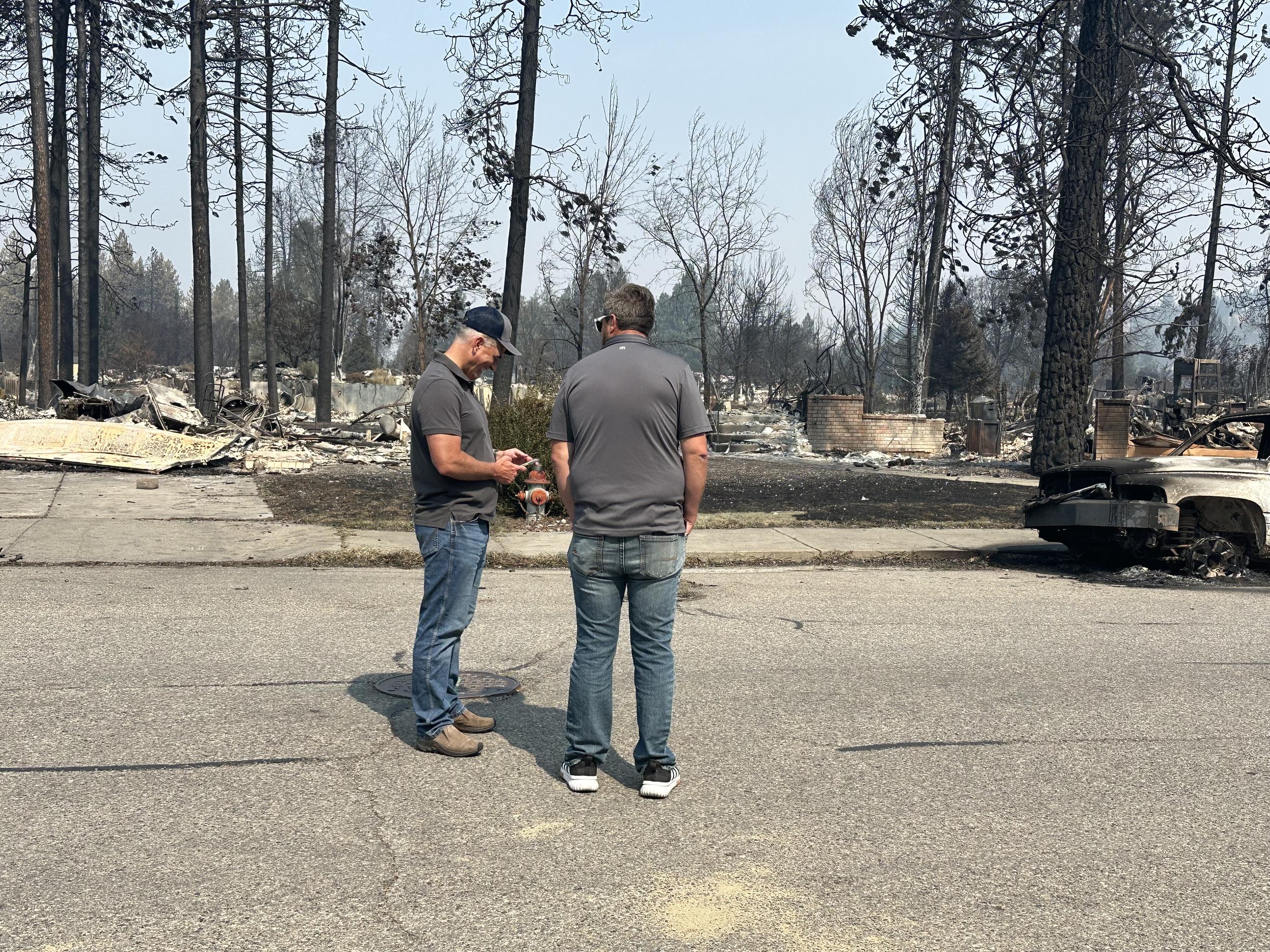
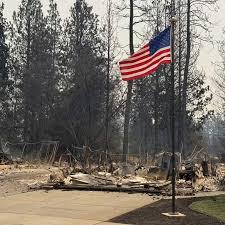
Spokane Complex Fires were classified as a National Disaster. This is the collaborative response to restoring, rebuilding and bringing every victim home to Spokane.
Year 1: Immediate Relief, Stabilization, and Intake
The primary focus of the first 12 months is securing basic human needs, establishing centralized case management, and completing hazardous debris removal.
- Long-Term Recovery Center: Located at 3904 N Division Street at the intersection of Garland and Division. A centralized coalition of local nonprofits, disaster relief organizations, faith-based groups, and county officials to stabilize those affected by disaster. This center serves the needs of the victims with daily access to resources, supplies and organizations. Hospitality, community, and restoration is the focus of this community center.
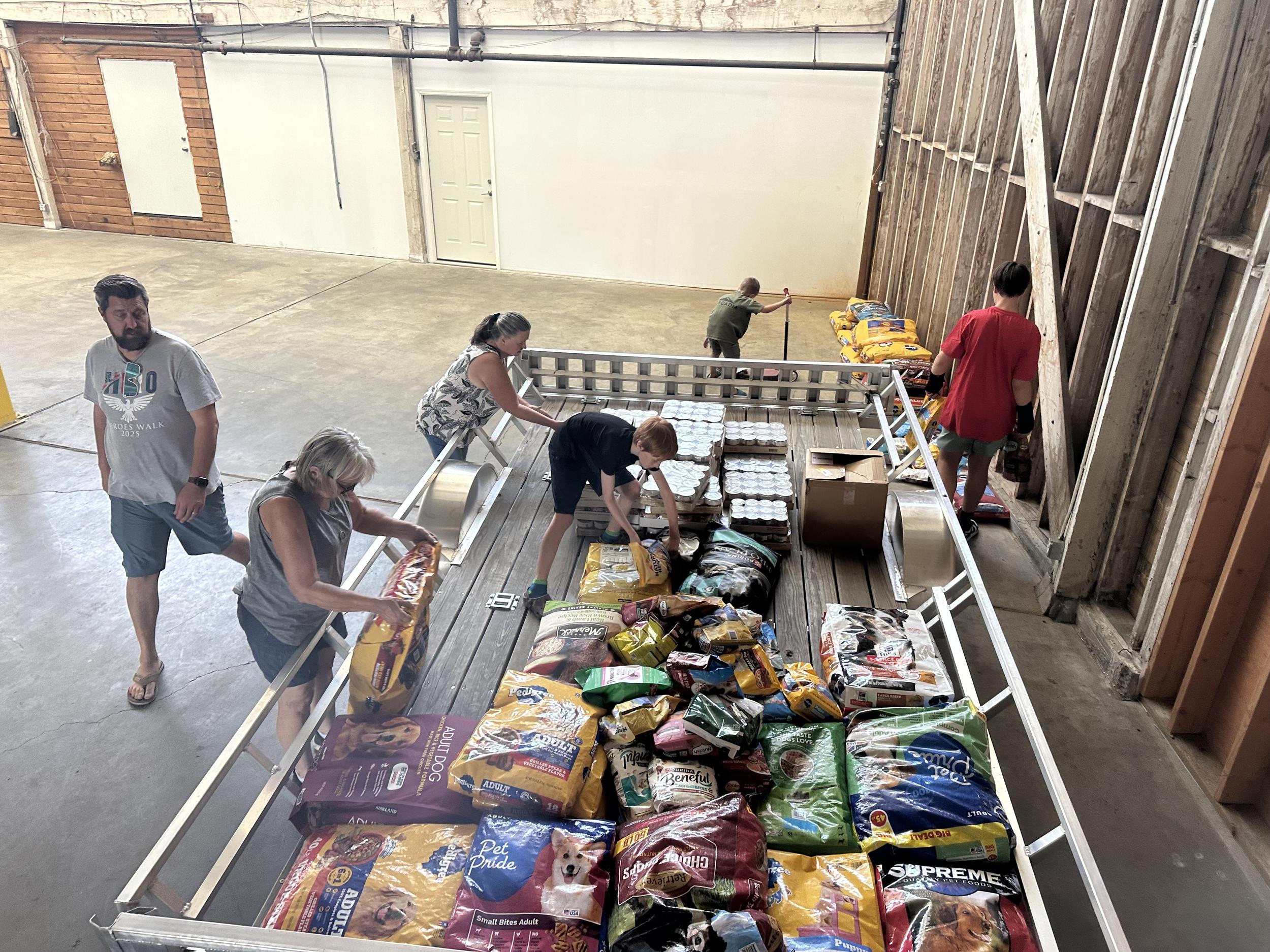
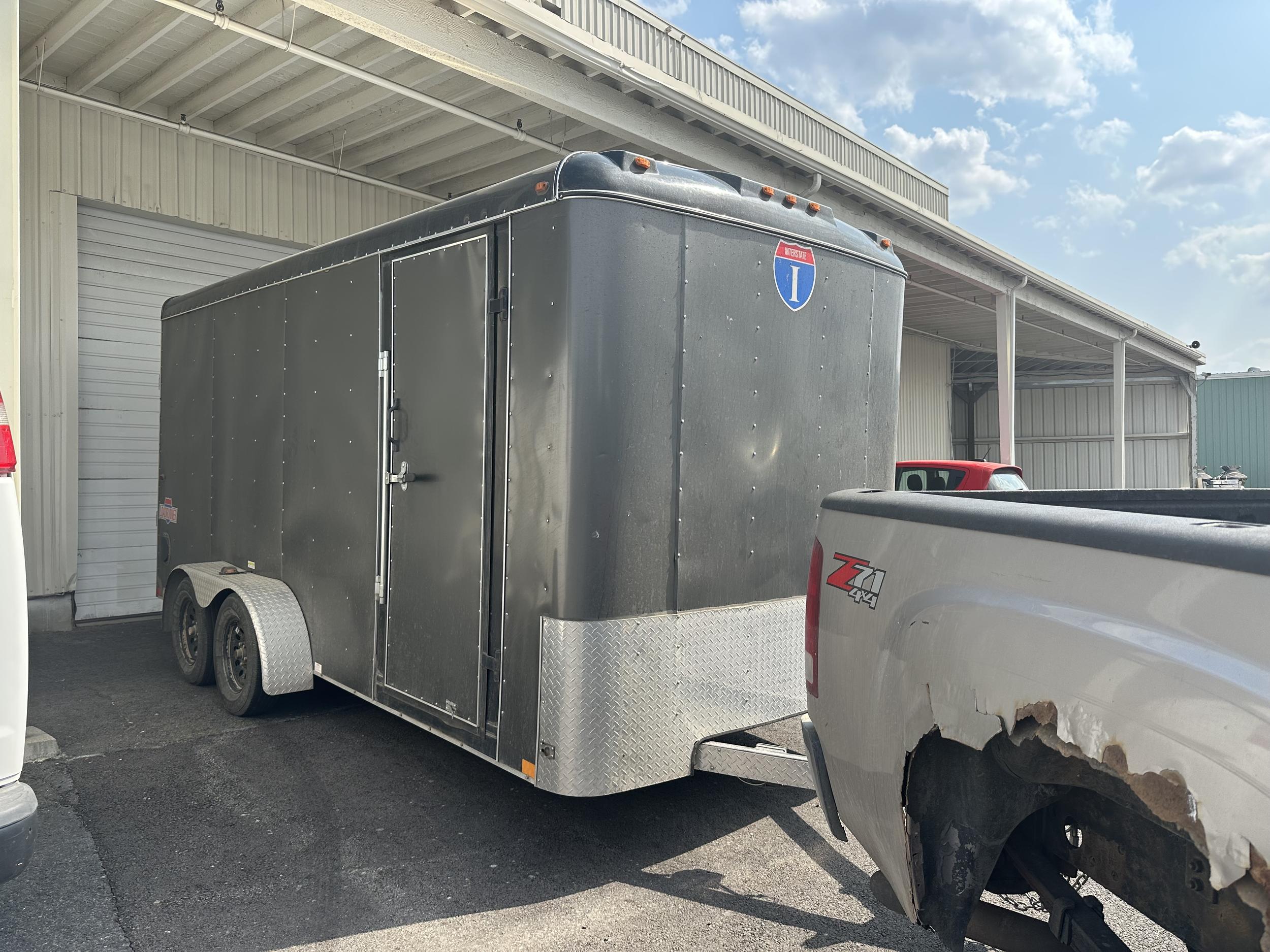
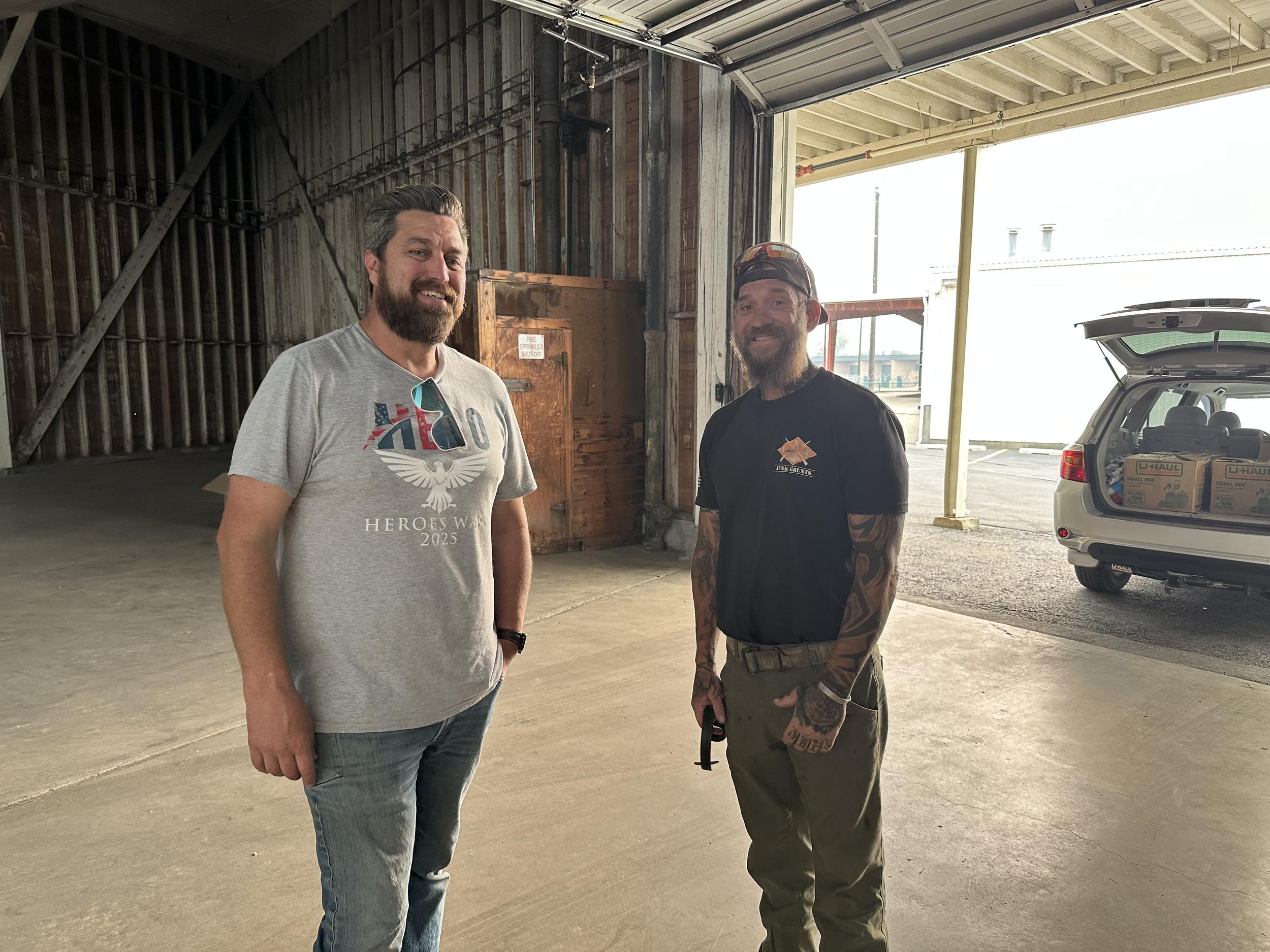
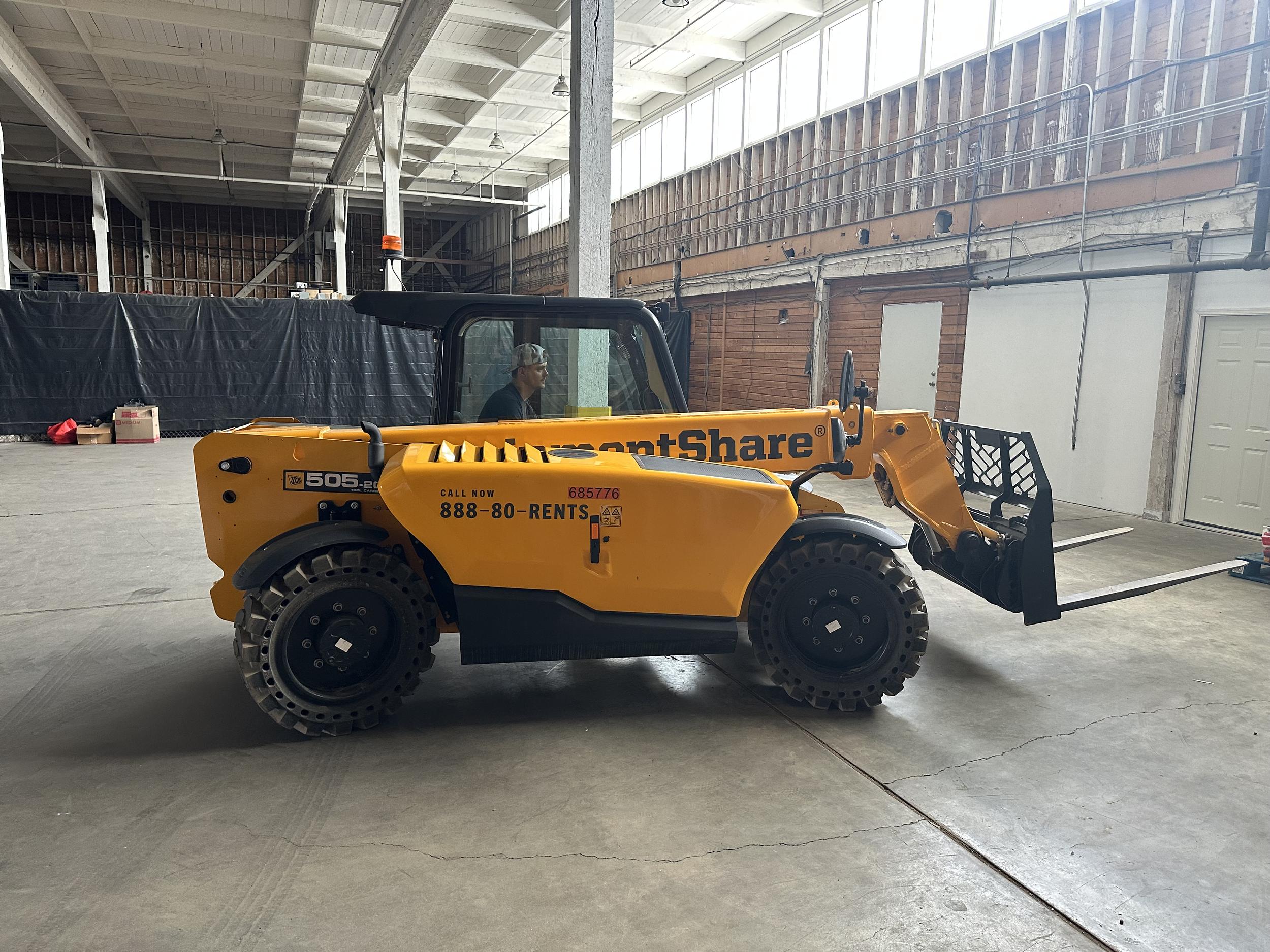
- Centralized Distribution Warehouse: Located at Express Storage on Cinncinati Street, access is available to scheduled volunteers and One Mission Partners. Serves as a warehouse to store donated supplies and organize volunteers from partnering organizations and community groups to effectively distribute aid in a phased approach to restoration and rebuilding.
- Centralized Case Management: Through disaster case managers and a client-led needs approach, our team rely on intake assessments, identifying underinsured and uninsured households requiring financial or emotional support. One Mission will then prioritize vulnerable populations while serving the whole community through partners in the mental health coordinated care.
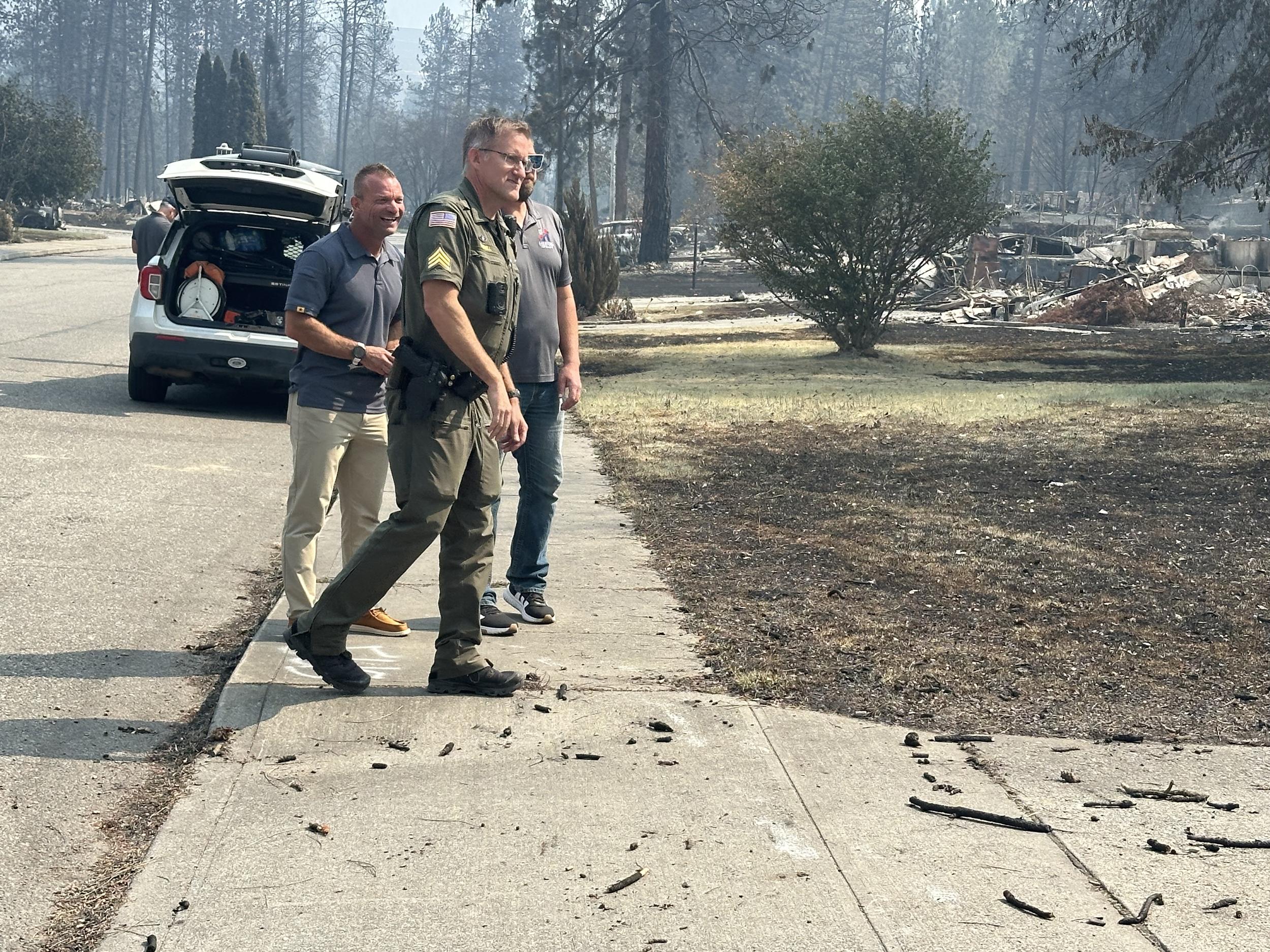
- Debris Clean-up and Hazard Mitigation: Partnered with local environmental agencies and code enforcement to safely clear toxic ash, hazardous trees, and structural debris from affected properties.
- Temporary Housing Stabilization: Secure stable intermediate housing solutions, such as rental assistance or temporary trailers, for families displaced while insurance claims and rebuilding permits are processed.
- Immediate Mental Health Outreach: Embed trauma-informed counselors within community centers to provide accessible mental health care to survivors dealing with acute disaster stress.
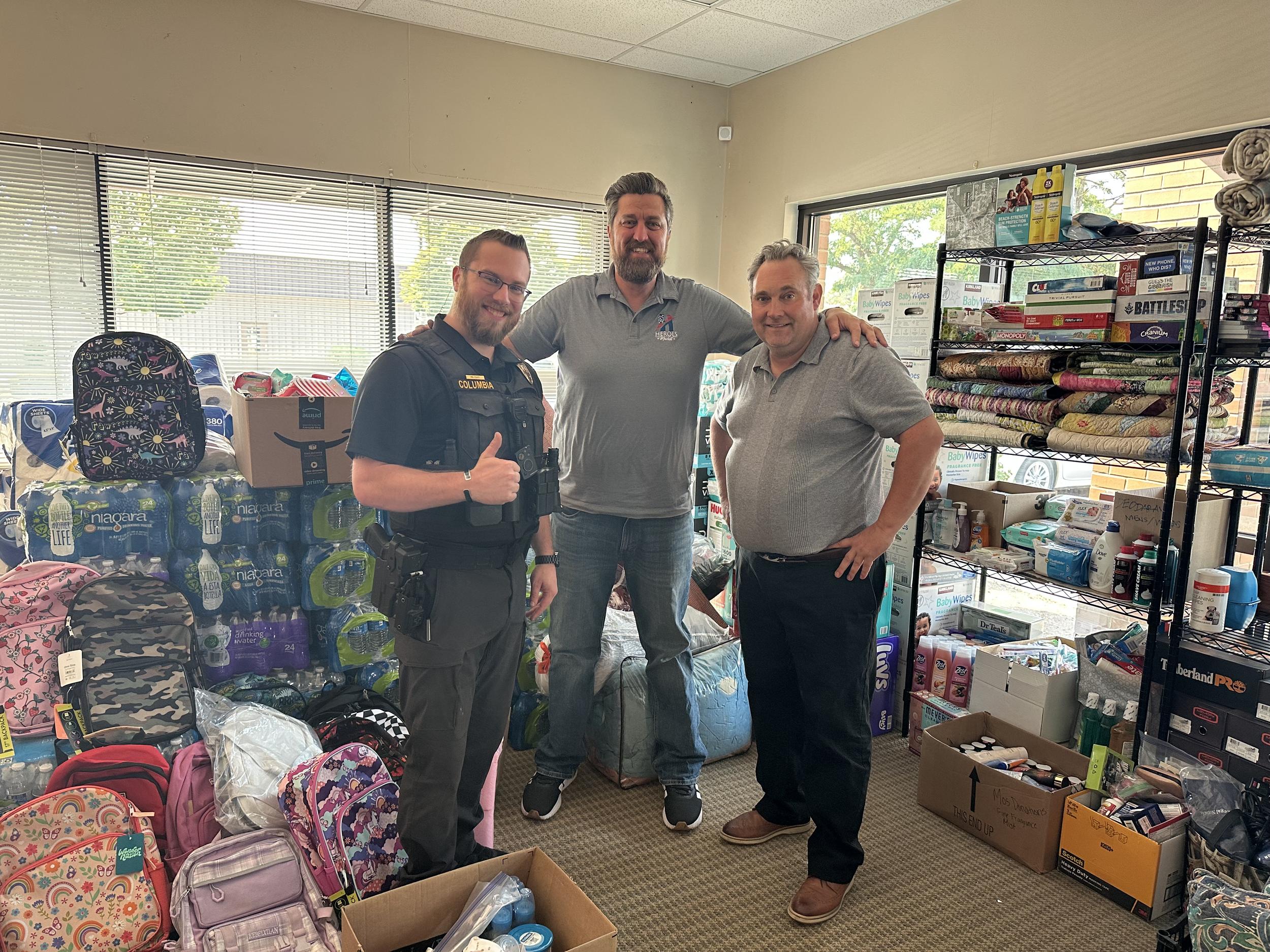
We're stronger together, and it's through drawing on the strengths of each organization to solve the complex issues of the fires.